As the Indian stock market continues to attract attention from global investors, the Indian Markets in Focus story is gaining traction, with the Nifty 50 and Sensex being closely watched by traders and investors alike. The Indian stock market, comprising the NSE and BSE, has been experiencing significant volatility in recent times, making it essential for investors to stay informed about the latest developments. With the equity market in India being a key driver of economic growth, it is crucial to analyze the current trends and patterns to make informed investment decisions.
Opening analysis — what this story means for Nifty/Sensex investors TODAY
The current market trends suggest that the Nifty 50 is likely to face resistance at the 18,000 level, while the Sensex may struggle to breach the 60,000 mark. This is primarily due to the ongoing global economic uncertainty, which has led to a decline in investor sentiment. However, the Indian stock market has shown resilience in the face of adversity, with the NSE and BSE indices recovering quickly from the recent downturn. As a result, investors should remain cautious and keep a close eye on the market trends, looking for opportunities to buy or sell stocks at the right time.
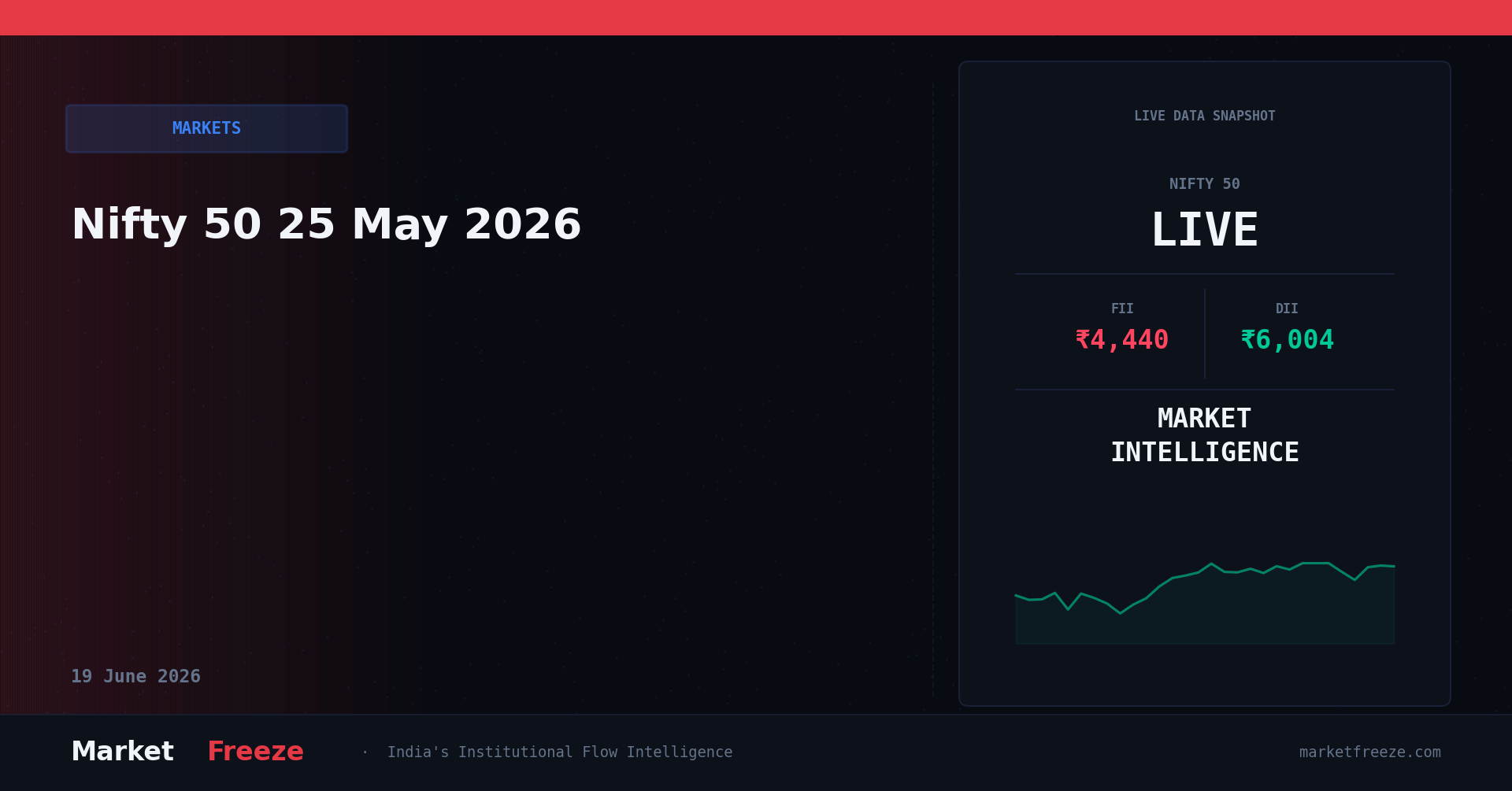
The equity market in India is also being influenced by the actions of Foreign Institutional Investors (FIIs) and Domestic Institutional Investors (DIIs). The former have been net sellers in the Indian market, while the latter have been net buyers, which has helped to stabilize the market to some extent. However, the FII/DII angle is critical in determining the direction of the market, and investors should closely monitor their activities to make informed decisions.
Sectoral impact — which NSE sectors are most affected and why
The NSE sectors that are most affected by the current market trends are the banking, financial services, and information technology sectors. These sectors are highly sensitive to changes in the global economic environment and have been impacted by the recent downturn. The banking sector, in particular, has been under pressure due to the rising Non-Performing Assets (NPAs) and the ongoing corporate debt restructuring process. On the other hand, the information technology sector has been a bright spot, with many companies reporting strong earnings growth and a positive outlook.
The Indian stock market is also being influenced by the performance of the small-cap and mid-cap stocks. These stocks have been highly volatile in recent times, with many of them experiencing significant price swings. However, the small-cap and mid-cap stocks also offer tremendous growth opportunities, and investors should consider them as part of their investment portfolio.
FII/DII angle — how institutional players likely respond to this news
The FII/DII angle is critical in determining the direction of the Indian stock market. The Foreign Institutional Investors (FIIs) have been net sellers in the Indian market, while the Domestic Institutional Investors (DIIs) have been net buyers. This trend is likely to continue, with the FIIs remaining cautious about the Indian market due to the ongoing global economic uncertainty. On the other hand, the DIIs are likely to continue their buying streak, driven by the strong fundamentals of the Indian economy and the attractive valuations of the Indian stocks.
The FII/DII angle is also influenced by the macroeconomic factors, such as the inflation rate, interest rates, and currency exchange rates. These factors can impact the attractiveness of the Indian stock market to the FIIs and DIIs, and investors should closely monitor them to make informed decisions.
What retail investors should watch — specific levels, triggers, timelines
Retail investors should keep a close eye on the Nifty 50 and Sensex levels, as well as the sectoral indices. The Nifty 50 is likely to face resistance at the 18,000 level, while the Sensex may struggle to breach the 60,000 mark. The sectoral indices, such as the banking and information technology indices, should also be closely watched, as they can provide clues about the direction of the market.
Retail investors should also be aware of the triggers that can impact the market, such as the macroeconomic factors, corporate earnings, and global economic trends. The timelines for these triggers should also be closely monitored, as they can impact the market in the short, medium, and long term.
📊 Track institutional flows like FII/DII daily — and act on them with zero brokerage.
Historical context — similar events and market outcomes
The current market trends are similar to those seen in the past, particularly during the 2008 global financial crisis and the 2013 taper tantrum. During these events, the Indian stock market experienced significant volatility, with the Nifty 50 and Sensex indices declining sharply. However, the market recovered quickly, driven by the strong fundamentals of the Indian economy and the attractive valuations of the Indian stocks.
The historical data suggests that the Indian stock market has been resilient in the face of adversity, with the Nifty 50 and Sensex indices providing strong returns over the long term. For example, the Nifty 50 index has provided a return of over 15% per annum over the past 10 years, while the Sensex index has provided a return of over 12% per annum over the same period.
The equity market in India is also influenced by the macroeconomic factors, such as the inflation rate, interest rates, and currency exchange rates. These factors can impact the attractiveness of the Indian stock market to the FIIs and DIIs, and investors should closely monitor them to make informed decisions.
In conclusion, the Indian Markets in Focus story is a significant development for the Indian stock market, with the Nifty 50 and Sensex indices being closely watched by traders and investors alike. The sectoral impact of the current market trends is significant, with the banking, financial services, and information technology sectors being the most affected. The FII/DII angle is critical in determining the direction of the market, and investors should closely monitor the activities of the Foreign Institutional Investors (FIIs) and Domestic Institutional Investors (DIIs).
Retail investors should keep a close eye on the Nifty 50 and Sensex levels, as well as the sectoral indices. The triggers that can impact the market, such as the macroeconomic factors, corporate earnings, and global economic trends, should also be closely watched. The timelines for these triggers should also be closely monitored, as they can impact the market in the short, medium, and long term.
📬 Get FII/DII Data Every Morning — Free
Join thousands of Indian traders who start their day with MarketFreeze. Daily FII/DII flow, Nifty outlook, and crypto — delivered by 8 AM IST.