As the Indian stock market continues to evolve, Indian Markets in Focus is a key phrase that has been on every investor’s mind, with the NSE and BSE being the primary platforms for trading. The Nifty 50 and Sensex have been the benchmarks for the Indian stock market, and any changes in these indices have a significant impact on the overall equity market in India. With the current market trends, it is essential for investors to stay informed and up-to-date with the latest developments in the Indian stock market.
Opening analysis — what this story means for Nifty/Sensex investors TODAY
The current market scenario is a mix of both positive and negative factors, with the Nifty 50 and Sensex being influenced by various domestic and global events. The Indian stock market has been volatile in recent times, with investors looking for opportunities to maximize their returns. As the market continues to evolve, it is crucial for investors to understand the underlying trends and make informed decisions. The NSE and BSE have been working to improve the trading infrastructure, making it easier for investors to participate in the equity market in India.
The Nifty 50 has been trading in a range, with the index being supported by the IT and pharmaceutical sectors. However, the auto and banking sectors have been under pressure, due to various factors such as inflation and interest rates. The Sensex has also been volatile, with the index being influenced by the global market trends. As the market continues to evolve, it is essential for investors to stay informed and adapt to the changing market conditions.
Sectoral impact — which NSE sectors are most affected and why
The IT sector has been one of the top-performing sectors in the Indian stock market, with companies such as Infosys and TCS being the leaders. The pharmaceutical sector has also been performing well, with companies such as Sun Pharma and Dr. Reddy’s being the major players. However, the auto sector has been under pressure, due to factors such as inflation and interest rates. The banking sector has also been volatile, with the NPA issue being a major concern.
The NSE has been working to improve the trading infrastructure, with the introduction of new products and services. The BSE has also been working to improve the trading experience, with the introduction of new trading platforms. As the market continues to evolve, it is essential for investors to stay informed and adapt to the changing market conditions. The equity market in India has been growing rapidly, with more and more investors participating in the market.
FII/DII angle — how institutional players likely respond to this news
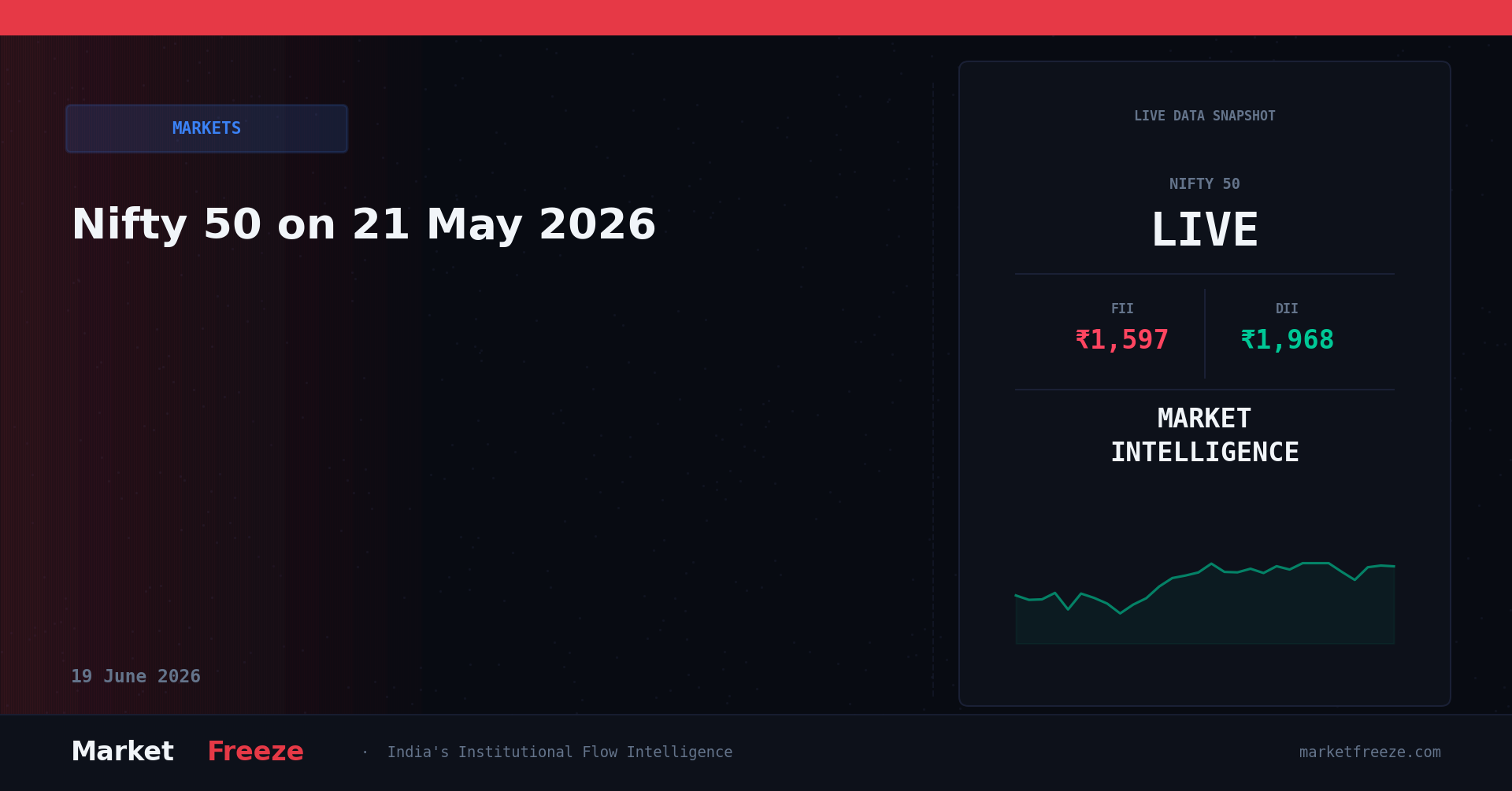
The FII and DII have been major players in the Indian stock market, with their investment decisions having a significant impact on the market. The FII have been net buyers in the market, with their investments being focused on the IT and pharmaceutical sectors. The DII have been net sellers, with their selling being focused on the auto and banking sectors.
The FII/DII flows have been a major factor in determining the market trends, with their investment decisions having a significant impact on the Nifty 50 and Sensex. As the market continues to evolve, it is essential for investors to track the FII/DII flows and make informed decisions. The Indian stock market has been volatile in recent times, and it is crucial for investors to stay informed and adapt to the changing market conditions.
📊 Track institutional flows like FII/DII daily — and act on them with zero brokerage.
What retail investors should watch — specific levels, triggers, timelines
The Nifty 50 has been trading in a range, with the index being supported by the IT and pharmaceutical sectors. The Sensex has also been volatile, with the index being influenced by the global market trends. As the market continues to evolve, it is essential for retail investors to stay informed and adapt to the changing market conditions.
Retail investors should watch the support levels of the Nifty 50 and Sensex, with the 200-day moving average being a crucial level. The resistance levels should also be watched, with the 50-day moving average being a key level. The Relative Strength Index (RSI) should also be tracked, with the overbought and oversold levels being crucial.
Historical context — similar events and market outcomes
The Indian stock market has a history of being volatile, with various events having a significant impact on the market. The 2008 global financial crisis had a major impact on the market, with the Nifty 50 and Sensex declining significantly. However, the market recovered, with the Nifty 50 and Sensex reaching new highs.
The 2013 taper tantrum also had a significant impact on the market, with the Nifty 50 and Sensex declining. However, the market recovered, with the Nifty 50 and Sensex reaching new highs. The 2016 Brexit also had a significant impact on the market, with the Nifty 50 and Sensex declining. However, the market recovered, with the Nifty 50 and Sensex reaching new highs.
The 2020 COVID-19 pandemic had a significant impact on the market, with the Nifty 50 and Sensex declining significantly. However, the market recovered, with the Nifty 50 and Sensex reaching new highs. As the market continues to evolve, it is essential for investors to stay informed and adapt to the changing market conditions.
The Indian stock market has been growing rapidly, with more and more investors participating in the market. The NSE and BSE have been working to improve the trading infrastructure, making it easier for investors to participate in the equity market in India. As the market continues to evolve, it is crucial for investors to stay informed and adapt to the changing market conditions.
The Nifty 50 and Sensex have been the benchmarks for the Indian stock market, and any changes in these indices have a significant impact on the overall equity market in India. The FII and DII have been major players in the market, with their investment decisions having a significant impact on the market. As the market continues to evolve, it is essential for investors to track the FII/DII flows and make informed decisions.
In conclusion, the Indian stock market has been volatile in recent times, with various events having a significant impact on the market. The Nifty 50 and Sensex have been the benchmarks for the market, and any changes in these indices have a significant impact on the overall equity market in India. As the market continues to evolve, it is crucial for investors to stay informed and adapt to the changing market conditions.
📬 Get FII/DII Data Every Morning — Free
Join thousands of Indian traders who start their day with MarketFreeze. Daily FII/DII flow, Nifty outlook, and crypto — delivered by 8 AM IST.