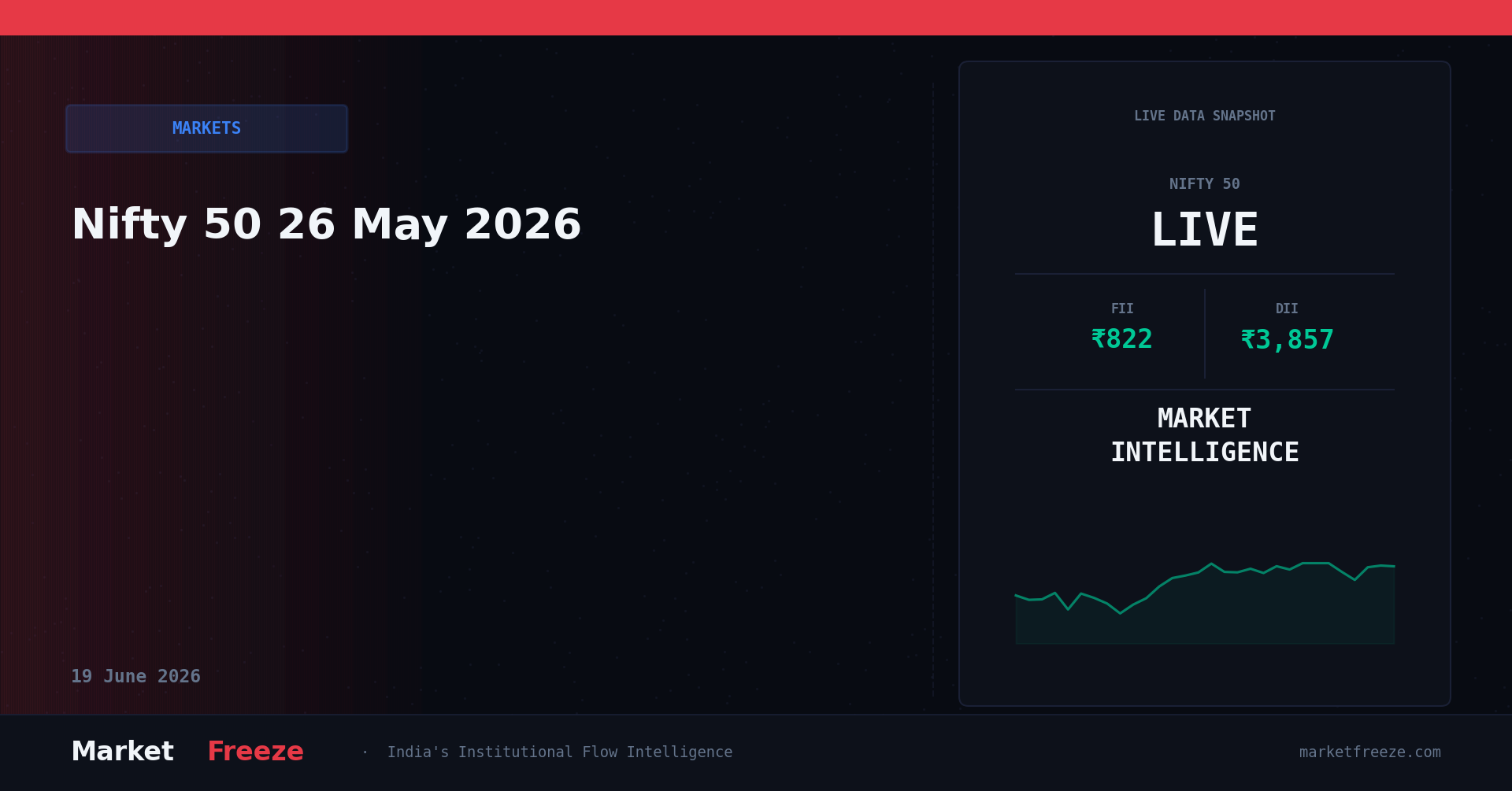
Indian Markets in Focus is the primary story today, with the NSE and BSE witnessing significant volatility in recent sessions. As a result, Nifty 50 and Sensex investors are closely watching the developments, trying to gauge the impact on their portfolios. The Indian stock market has been experiencing a rollercoaster ride, with equity market India participants trying to make sense of the various factors influencing the market. In this article, we will delve into the details of the current market scenario and provide insights on what it means for investors.
Indian Markets in Focus: Opening analysis for Nifty/Sensex investors TODAY
The current market volatility has led to a significant increase in intraday trading activity, with many traders trying to capitalize on the fluctuations. However, this has also resulted in increased market risk, making it essential for Nifty 50 and Sensex investors to be cautious. The Indian stock market is heavily influenced by global events, and the recent developments have led to a sectoral rotation, with some sectors performing better than others. As a result, investors need to be aware of the sectoral trends and adjust their portfolios accordingly.
Sectoral Impact: Which NSE sectors are most affected and why
The IT sector has been one of the most affected, with many IT stocks experiencing significant declines. This is largely due to the global economic slowdown, which has resulted in reduced IT spending by companies. On the other hand, the pharmaceutical sector has been performing well, driven by the increased demand for pharmaceutical products. The automotive sector has also been witnessing a recovery, driven by the government’s initiatives to promote electric vehicles. Understanding these sectoral trends is crucial for NSE and BSE investors to make informed decisions.
FII/DII Angle: How institutional players likely respond to this news
Foreign Institutional Investors (FIIs) have been net sellers in the Indian stock market in recent times, which has put pressure on the Nifty 50 and Sensex. However, Domestic Institutional Investors (DIIs) have been net buyers, which has provided some support to the market. The FII/DII flows are closely watched by investors, as they can significantly influence the market trends. It is essential to track the FII/DII flows and understand their implications on the Indian stock market.
What Retail Investors Should Watch: Specific levels, triggers, timelines
Retail investors should keep a close eye on the support and resistance levels of the Nifty 50 and Sensex. The 200-day moving average is a crucial level, and a breach of this level could lead to further declines. On the other hand, if the market is able to consolidate above this level, it could lead to a recovery. Retail investors should also watch the sectoral rotation and adjust their portfolios accordingly. It is essential to have a long-term perspective and not get caught up in the short-term volatility.
📊 Track institutional flows like FII/DII daily — and act on them with zero brokerage.
Historical Context: Similar events and market outcomes
Historically, the Indian stock market has witnessed similar periods of volatility, and it is essential to learn from these experiences. In 2008, the global financial crisis led to a significant decline in the Nifty 50 and Sensex. However, the market recovered strongly in the subsequent years, driven by the government’s initiatives to promote economic growth. Similarly, in 2020, the COVID-19 pandemic led to a significant decline in the market, but it recovered rapidly, driven by the government’s stimulus packages. Understanding these historical events and their outcomes can provide valuable insights for investors.
The Indian stock market is a complex system, influenced by a multitude of factors, including global events, economic trends, and sectoral rotation. As a result, it is essential for investors to stay informed and adapt to the changing market conditions. By tracking the FII/DII flows, understanding the sectoral trends, and having a long-term perspective, investors can navigate the market volatility and achieve their investment objectives.
In conclusion, the Indian Markets in Focus story has significant implications for Nifty 50 and Sensex investors. The sectoral rotation, FII/DII flows, and historical context all play a crucial role in shaping the market trends. By staying informed and adapting to the changing market conditions, investors can make informed decisions and achieve their investment objectives. The Indian stock market offers a wealth of opportunities for investors, and it is essential to approach it with a disciplined and informed approach.
📬 Get FII/DII Data Every Morning — Free
Join thousands of Indian traders who start their day with MarketFreeze. Daily FII/DII flow, Nifty outlook, and crypto — delivered by 8 AM IST.